Elijah James Washington
It is undeniable: the bleak future that Gen Z dreaded growing up is becoming our bleak reality. On Sept. 2, the United Nations released a report warning that the world has “lost its chance to prevent some of the worst of global warming’s harms.” The report warns of worsening climate impacts, shifting the focus toward mitigating damage and reducing global temperatures before the consequences worsen.
With the looming threat of disaster, it is more important than ever to take control of your finances and build wealth through investing. One common way to do this is by opening a retirement account.
Unfortunately, even a simple retirement account can invest your money in companies that devastate the planet, exploit workers and harm innocent people.
This leads to a kind of moral crossroads: Does one have to sacrifice ethics, the planet and even the lives of others for financial security? How can we prepare for a climate-devastated world by contributing to the very sources of that devastation?
The realities of successful investing
The difficult reality is that many popular investment funds include major companies that have faced criticism over their environmental or labor practices.
A prime example is the S&P 500, a stock market index that tracks 500 leading U.S. companies. Investors can buy into funds that track the index, which is commonly used as a foundation for long-term investing. It’s considered one of the safest, most foundational investments for building wealth because of its historically reliable returns.
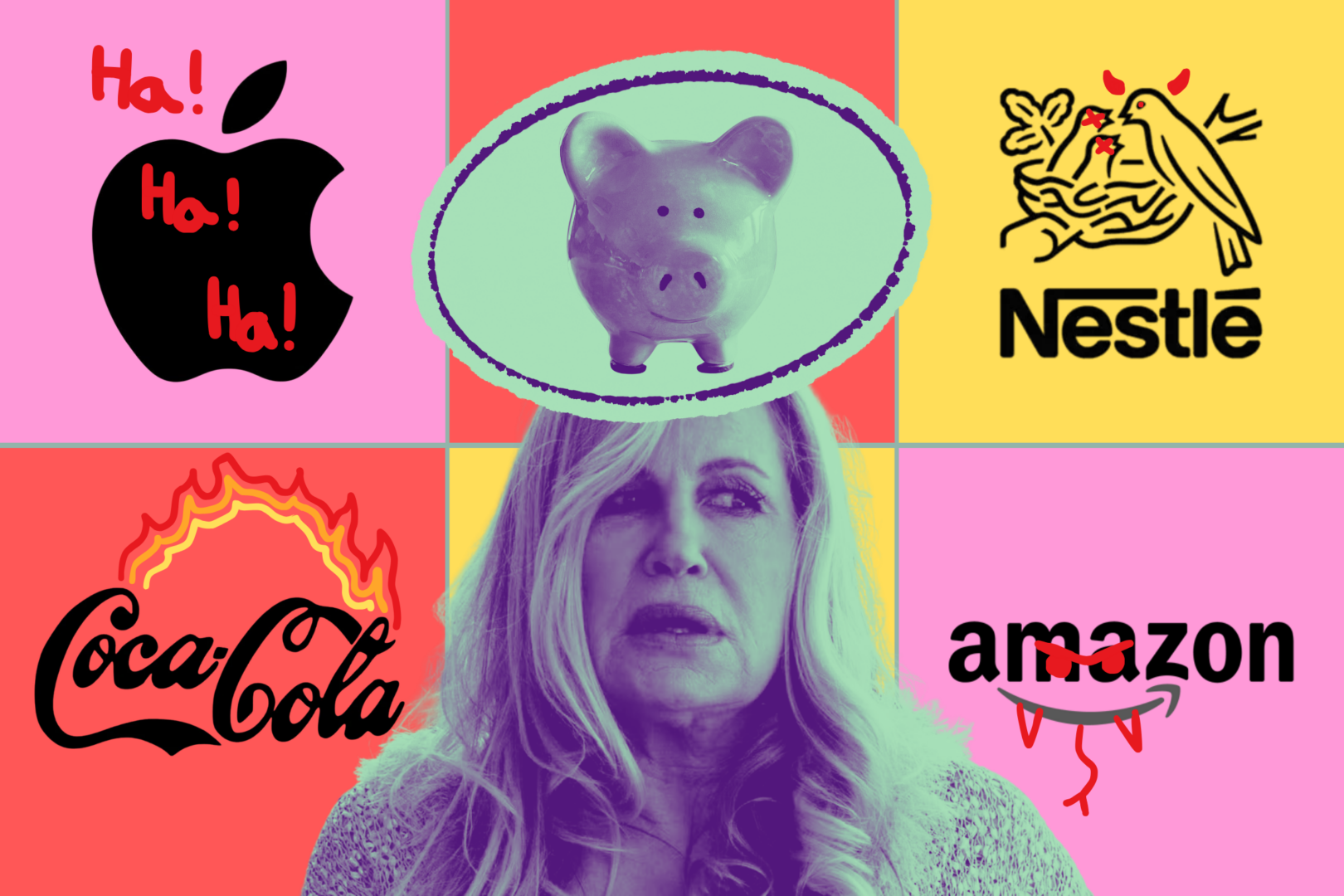
Unfortunately, performance comes at a price: this index fund includes companies like Coca-Cola, the world’s number-one plastic polluter and Apple, which has faced allegations of child labor and environmental damage in its mineral supply chain.
Investing in international markets is hardly better. I formed my personal investment portfolio based on advice from Bogleheads, a popular investing community known for its beginner-friendly approach.
I bought shares of an international equity fund the site recommended and saw pleasing results. However, when I looked into the companies included in the fund, I found Nestlé, which has faced decades of criticism over its marketing of infant formula in developing countries.
Realizing that my money was invested in a company tied to practices I disagreed with made me wary.
Finding the middle ground
It is possible to strike a balance between increasing personal wealth and having a net-positive impact on the world. Investing responsibly means investing in the future: clean energy, climate solutions and sustainable, worker-friendly organizations.
Clean energy is already booming worldwide, giving investors opportunities to support growing industries while investing in businesses they believe are better for the planet.
Sadly, some highly profitable companies have built their success while cutting corners, underpaying workers or harming consumers. It is up to the individual to draw their moral line and decide how much of this they are willing to support.
We cannot let the top 1% continue to hold such a disproportionate share of wealth. Investing gives lower- and middle-class people a chance to build wealth of their own, support what matters to them and have a greater say in what — and who — survives into the future. We don’t have to remain on the sidelines while money determines who gets ahead.
opinion@thedailycougar.com