 I used to get annoyed when I went to the gym and found it completely full, with no benches, no machines available and barely any parking. The more often I went, the more I started to recognize the same people over and over again. Then I’d open Instagram and realize that most of the stories I was watching were of people going to the gym too.
Weightlifting is now a trend that has taken over most of the 20-somethings I know, and for once, it’s actually beneficial. Instead of promoting something harmful or unrealistic, this shift encourages discipline, consistency and taking care of yourself.
Personal growth
What started as something I found frustrating slowly became something motivating, because it showed that people my age were choosing habits that would actually help them in the long run.
I started going to the gym about a year ago because I wanted to join my boyfriend and see what all the fuss was about. I hardly knew what I was doing, and I was honestly just following him the entire time.
When I got home, I realized I wanted to go to the gym the next day. Surprise, surprise, it actually felt productive and refreshing to start my day with a workout. A week later, I bought a gym membership. What I thought would be a one-time trip became part of my daily routine.
This changed my life for the better, too. A year later, I’ve lost over 10 pounds and have gained muscle, which made me feel much more confident in myself.
But beyond the physical changes, it also shifted my mindset. I became more disciplined, more motivated and more aware of how small habits can build into something bigger over time.
Gen Z vs. the gym
But my experience isn’t unique. Many young adults are turning to the gym not just for physical changes, but for the sense of structure and control it brings to their daily lives.
The gym is no longer reserved for athletes or gym rats. So much so that the numbers have surpassed pre-pandemic levels. Gen Z accounted for 29%.
This can also be traced back to the growing need for community and third spaces, especially as many traditional gathering places have disappeared or become less accessible. Unlike coffee shops or restaurants, gyms offer a consistent environment where people can show up regularly and see familiar faces.
Many gyms now offer group classes, social events and shared spaces as part of their memberships, making it easier for people to connect with others who share similar goals.
For a generation that spends so much time online, the gym provides something different: a physical place to exist, interact and build routines outside of a screen. It creates a sense of belonging while also encouraging personal growth.
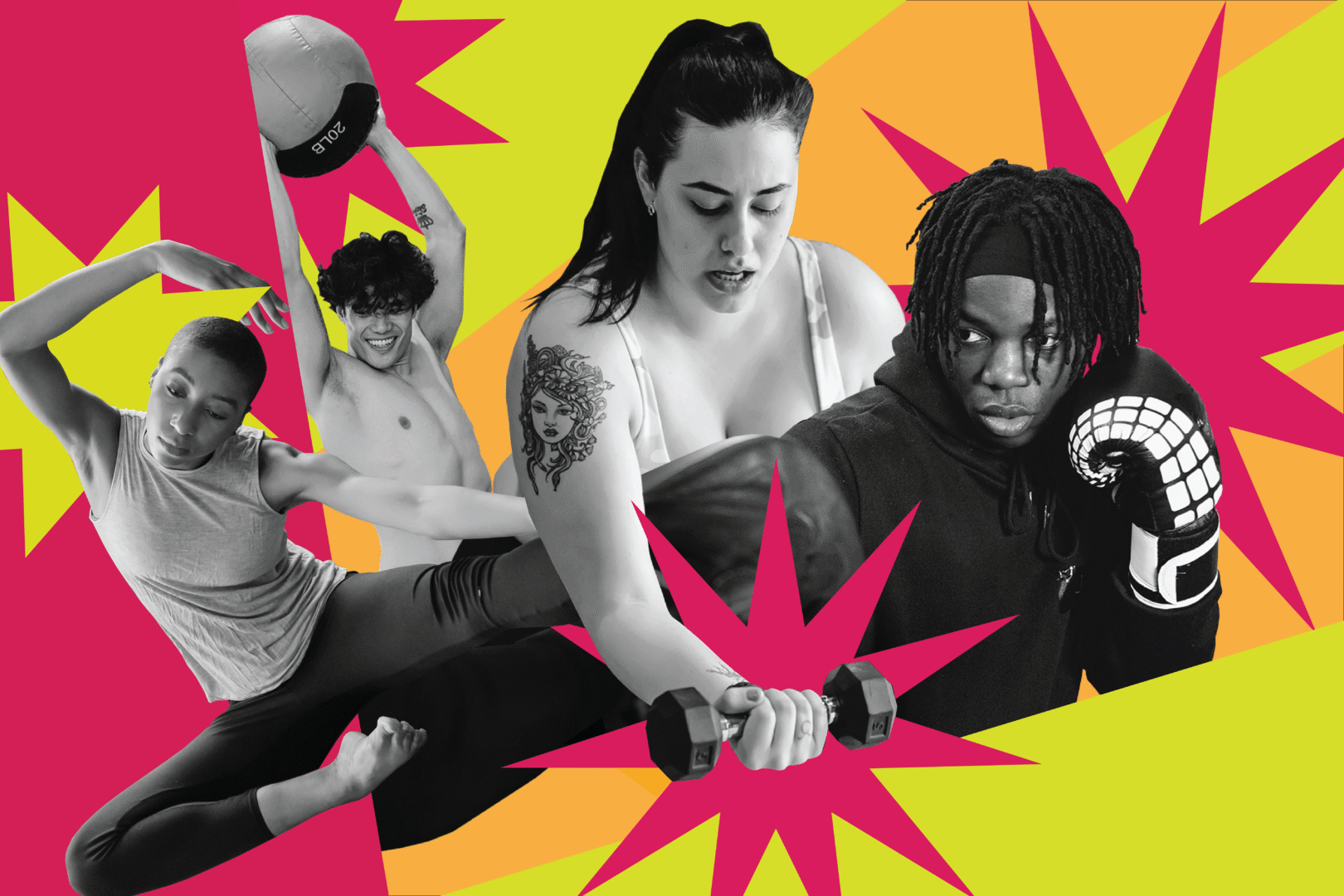
Instead of encouraging unhealthy habits or unrealistic beauty standards, it promotes routines that can improve both physical and mental well-being. And since everyone has different goals, this trend showcases a range of body types, helping people feel more comfortable joining in.
Resources at UH
College campuses have become one of the clearest examples of this shift, as more students incorporate the gym into their daily routines. Access to on-campus facilities makes it easier for students to build these habits without the added cost of a private gym membership.
For students who want to start their gym journey but don’t want to spend upwards of $30 on a membership, UH’s Campus Recreation and Wellness Center is open to all students at no cost.
It has other amenities as well, such as a sauna, recreational pool, yoga and Pilates classes and even a hot tub that’s open year-round.
Trends often come and go, leaving only old photos and forgotten habits behind. But the rise of gym culture among young adults feels different because it builds something lasting.
It teaches consistency in a world built on instant gratification and encourages people to invest in themselves in a meaningful way. Long after the social media posts disappear, the discipline, confidence and routines built in the gym remain.
opinion@thedailycougar.com