Lily Huynh/The Cougar
The U.S. Department of the Treasury’s latest sanctions on Iran suspended a regulation that, for years, has authorised professional certification and university entrance exams for Iranian nationals.
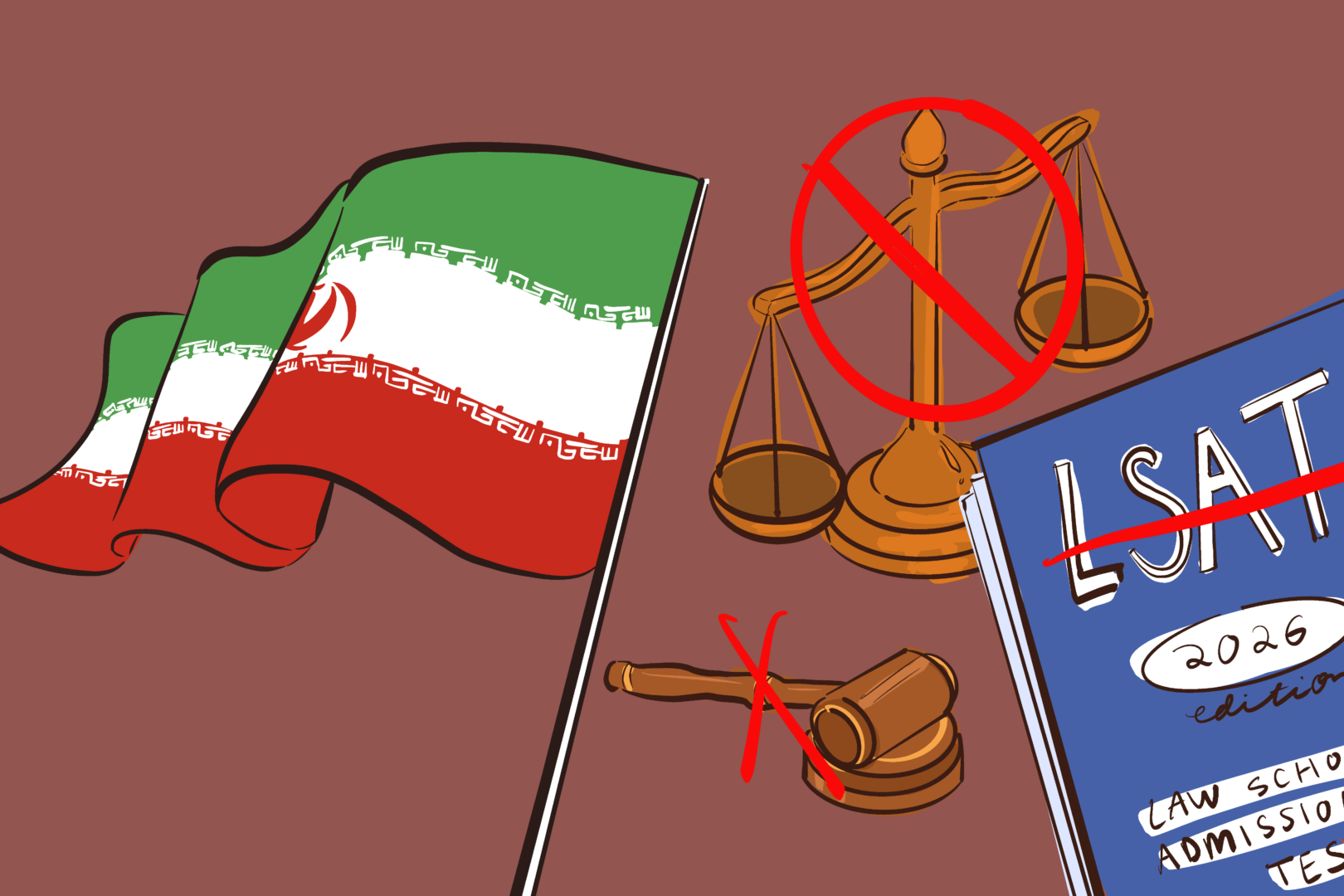
The Law School Admission Council emailed many Iranian-American students on Sept. 9, saying it was prohibited from providing all services, including the Law School Admission Test to Iranian citizens or residents.
LSAC’s prohibition poses a risk to many aspiring Iranian lawyers because all children born to an Iranian father, regardless of the birthplace, automatically receive Iranian citizenship by descent.
“I don’t understand why the government is discouraging Iranian-Americans from pursuing law, when we’ve lived here our whole lives,” said a recent Iranian alumnus who requested to remain anonymous. “The administration can’t just ban a whole race or ethnicity from taking the LSAT.”
This alumnus was not affected by the suspension; they did not identify themself as Iranian when their application on LSAC asked for their ethnicity. They claim that many of their friends who identified themselves as Iranian did have their accounts flagged.
Iranian-American students can work with LSAC to reverse the suspension of their accounts by providing proof of American citizenship, but students without American citizenship may not be able to do so.
Other Iranian students expressed concerns that their career plans could be delayed due to these suspensions.
“I want to apply to a Juris Doctor or Medical Doctor program, but to apply for these programs I need to meet their admission requirements, which includes taking the LSAT,” said pre-nursing junior Donya Oufi.
The Trump administration said in a press release that the sanctions against Iran are intended to end what it refers to as the Iranian threat.
But even non-Iranian students worry that these sanctions will set a dangerous precedent that allows the government to control the rights of certain communities.
“I believe that sanctions being used by the government to deny Iranians their right to take the LSAT is a blatant act of racism by the Trump administration and goes against the Constitution,” said political science freshman Sanjeev Ganesh. “In no way am I implying that Iranians will be placed in internment camps, but historically, our government has alienated communities based on their country of origin, like Japanese Americans during World War II.”
Some political science professors share Ganesh’s sentiment, and even say that prohibiting certain citizens from educational services is in violation of the Constitution.
“Assuming that this report is accurate, this is not lawful,” said John B. Neibel Professor of Law David Crump. “It might be lawful if it were a law about immigration but not against Iranian-Americans, who presumably are citizens. This would violate the 14th Amendment of the Constitution and the Civil Rights Act of 1968.”
Iranian-American lobbies like The National Iranian American Council have challenged LSAC’s decision to comply with the U.S’s sanctions. The organization said that they wrote a letter to LSAC urging them to not overcomply with the sanctions to restrict the rights of Iranian citizens.
Though it is common for Iranian students to come to the States for educational opportunities, these sanctions will now be halting the career plans of both people of Iranian ethnicity and Iranian citizenship, the alumnus said.
“I have some cousins and relatives in Iran who are extremely smart and would probably have better opportunities by coming to America,” the alumnus said. “But unfortunately, these people are unable to do so because something as simple as education is being taken away from them. Even I, who have lived here my whole life, am in fear of whether or not I could pursue my dreams and education after this.”
news@thedailycougar.com