Lily Huynh/The Cougar
It’s never been easier to feel connected to artists. With constant updates, behind-the-scenes content and direct interaction, fans now have more access than ever before. But that access comes at a cost.
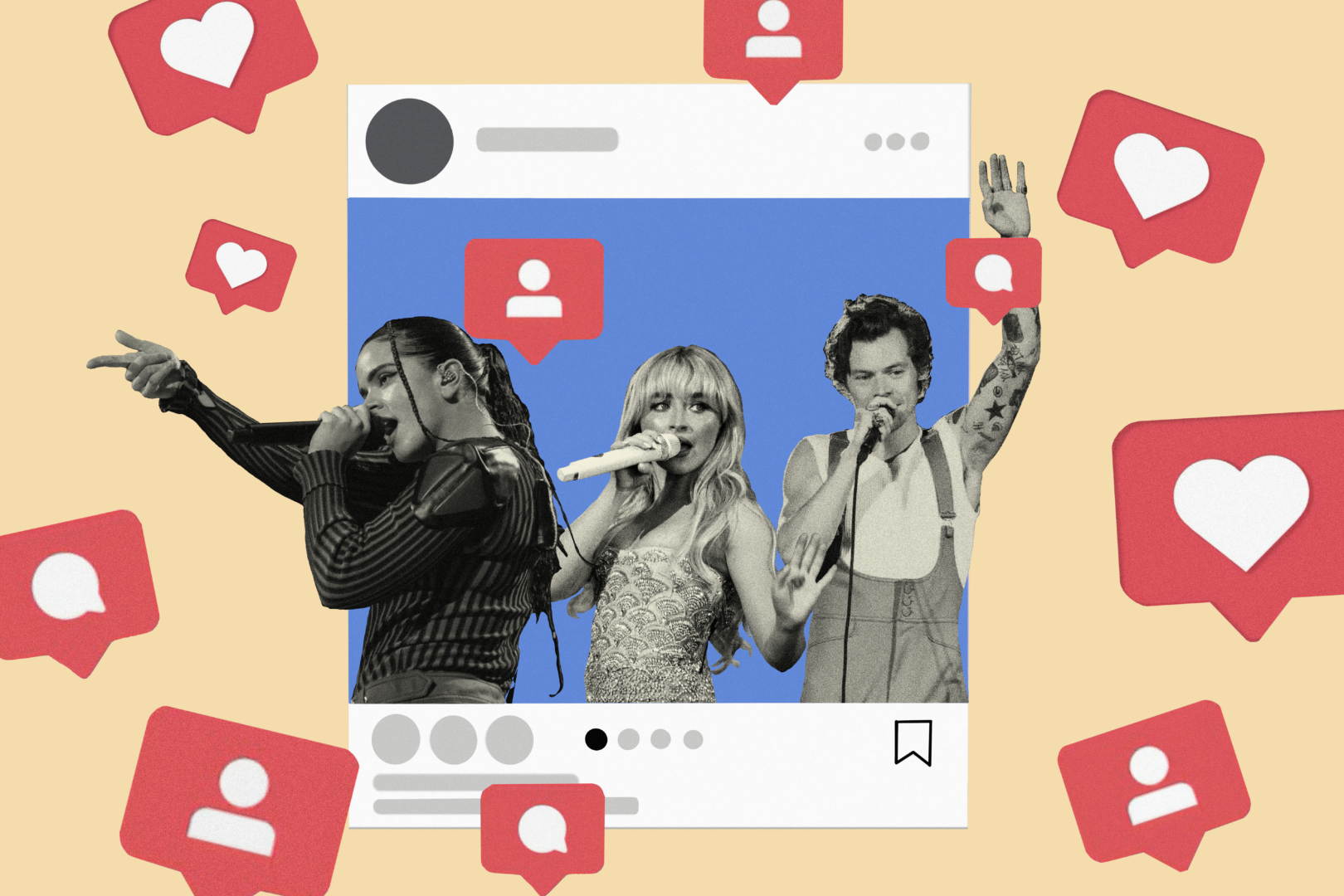
In today’s social media-driven world, artists are no longer just creators; they are also being pushed to be influencers. Because of this exposure, fans’ expectations have grown more demanding.
As they struggle to distance themselves from their personal brand, it becomes harder for them to create unique art. For years, many artists have held back parts of their creativity just to meet their audience’s needs and maintain success.
Platforms like TikTok and Instagram push artists to constantly post, interact and show pieces of their everyday lives.
They are no longer seen just for their work but also for how “real” they seem online. While this can help build a connection, it also puts pressure on the creator to hold an authentic image at all times.
As a result, artists focus more on how they’re perceived by their audience and not what they actually want to create.
When artists create for themselves
A prime example of this is Rosalía’s newest album, “LUX.” This album doesn’t follow a set standard; it feels like it was created to fulfill a personal need.
She doesn’t ask her fans what they want to hear from her or if her music is acceptable to them. Instead, she creates what she wants, blending languages, sounds and influences from around the world. Because of this, her work feels more genuine.
Harry Styles is another great example. After finishing his “Love on Tour,” he took a break from songwriting and performing. In a Times interview, Styles reflects on how it felt to slow down after the tour. He said stepping away from public attention allowed for a period of reflection and identity.
Now that he’s returned with his new album “Kiss All the Time. Disco, Occasionally,” his music feels more intentional and complex. Styles created something that met his own expectations instead of prioritizing the audience.
In both cases, distance from constant visibility allowed space for more genuine creation. But stepping back isn’t always an option.
The cost of being relatable
Many may believe that having a strong social media presence is necessary. It helps promote music, build a following and ultimately create a deeper connection between the artist and their fans.
While this is true, it can also lead artists to lose themselves. They begin to question their work and whether it’s genuinely them or a version created for the audience.
After the success of her album “Short n’ Sweet,” Sabrina Carpenter started to lean into a more provocative and bold version of herself with her latest album release, “Man’s Best Friend.”
This new era of hers may be something she’s genuinely exploring, but it also raises the question of whether it’s being continued for the fans or because the fans strongly respond to it.
Her performances feel very intentional and carefully crafted, almost as if they’re telling a continuous story. Because of this, it feels like she is having a lot of fun with this era, but it may not last forever.
Over time, that cycle can become limiting. When artists prioritize relatability and audience approval, they risk creating work that feels safe instead of personal. The more they try to maintain a connection, the more they can lose the individuality that made their work stand out in the first place.
What audiences gain in connection, they often lose in authenticity.
Opinion@thedailycougar.com