Isabel Bustos/The Cougar
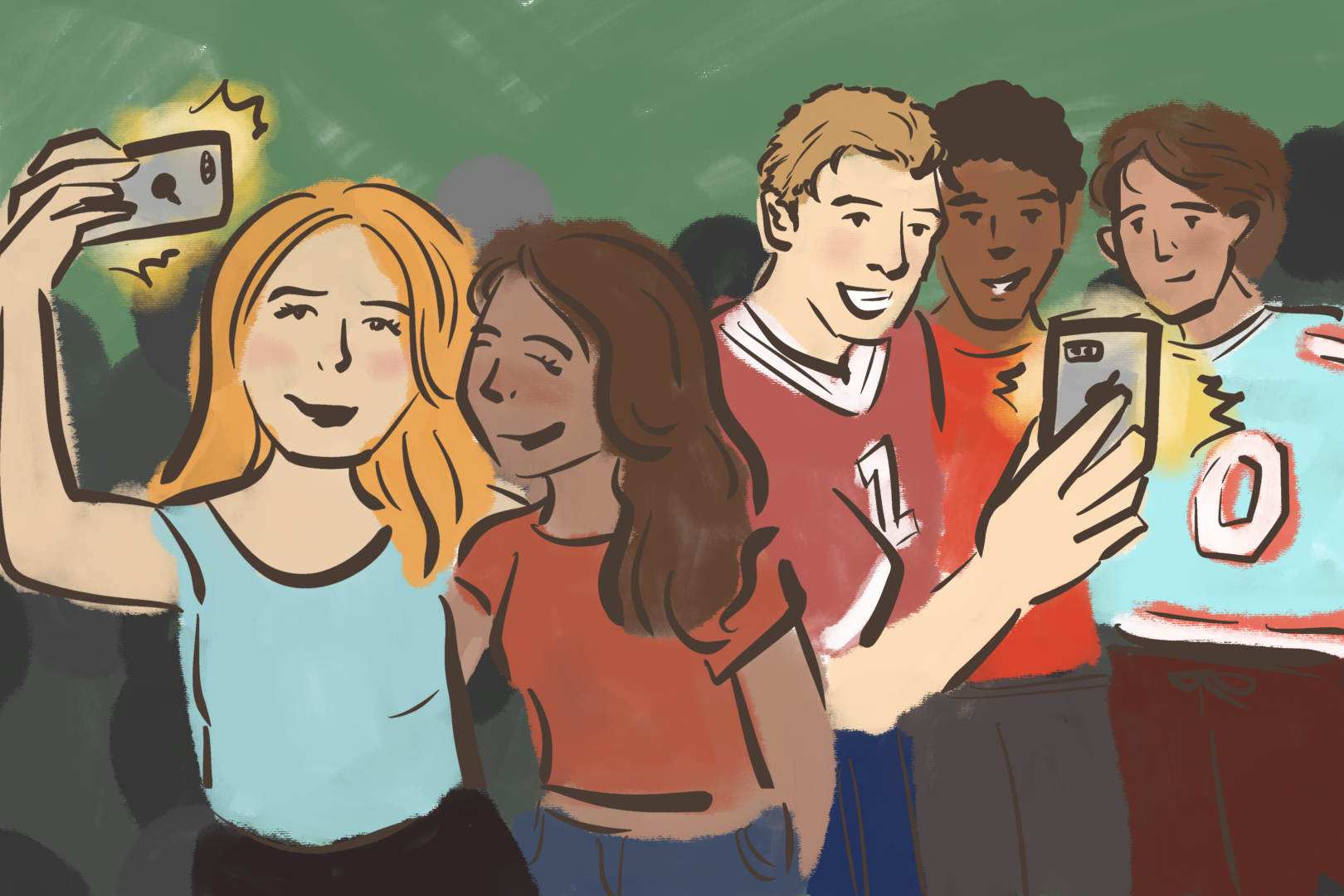
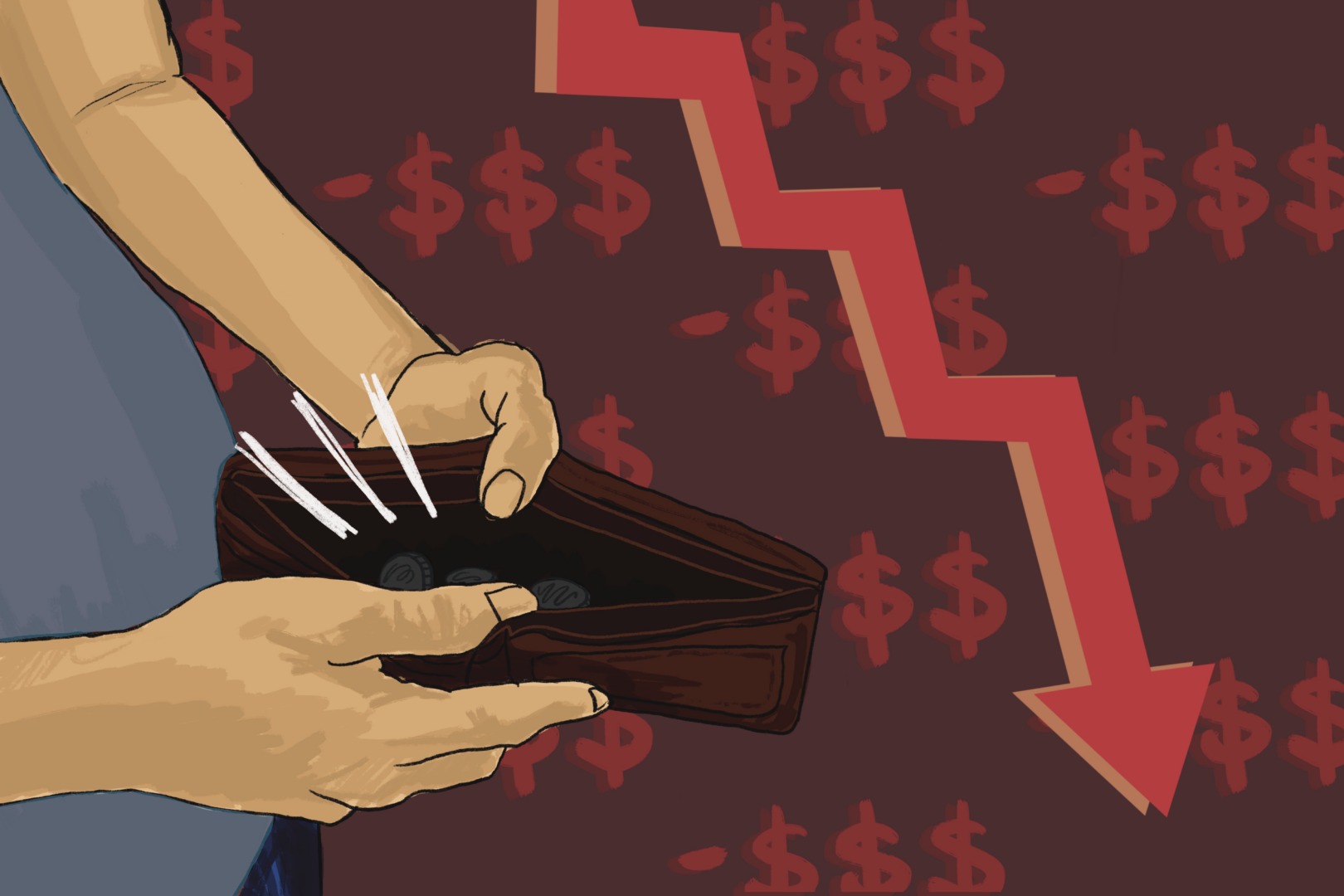
Being broke in college has become so normalized it’s almost expected or part of “the college experience.” Students joke about surviving off instant ramen, checking bank accounts before every purchase, being in crippling credit card debt and counting down the days until the next paycheck hits.
What was once a temporary struggle for a handful of college students has now become something much bigger. As tuition, rent, groceries and other everyday expenses continue to rise, students are no longer just carefully budgeting. Instead, they’re constantly trying to stay ahead financially, but often find themselves falling behind.
For years, financial hardships in college have been framed as an issue of students’ responsibility. You should budget better, work more hours, cancel that subscription, stop buying coffee etc.
But that shouldn’t be the issue we focus on as affordability becomes a nationwide conversation. Instead of focusing on whether students are managing money correctly, we should focus on how much college costs can students actually control?
Texas tuition freeze
Last month, Gov. Greg Abbott issued a directive mandating all public Texas colleges and universities to freeze undergraduate tuition and mandatory fees through the 2026-27 academic year.
This applies to all public two and four-year institutions, extending a policy Texas has kept since 2023. State leaders also approved an extra $328 million in student financial aid funding meant to improve access for eligible students.
On paper this sounds relieving and exactly what students have been asking for. To an extent it is, but tuition is no longer the only expense we can’t afford. Housing, textbooks, parking permits, gas and groceries really add up.
Withholding tuition increases offers a relief in a time when many students feel priced out of higher education. But it’s also not the only expense to worry about. Students today are paying for a whole lifestyle that’s attached to education.
Living expenses have become the biggest financial burden for many students. Whether it’s rent, commuting to campus in an effort to save money or paying for everyday necessities, the costs of simply attending college continue to grow.
A tuition freeze removes one financial burden, but it doesn’t erase the many others students still face. The only way for students to respond is by getting a job or picking up extra shifts.
Working in college is not unusual but also not ideal. Balancing full-time enrollment and extra shifts means less time studying, networking and sometimes even sleeping. The expectation that students should just “work harder” neglects the fact that college itself is already a full time commitment.
When affordability becomes political
Aside from these already pressing issues, Abbott’s tuition freeze is something much more political.
Financial issues in college have progressively become more of an economic issue than solely an individual issue. The State’s argument is clear: lower costs to open more opportunities for Texans to earn degrees, enter the workforce sooner and support long-term growth. Abbott has painted affordability necessary to prepare workers and preserve the state’s economy.
But tuition freeze alone will not set aside the rising costs universities still face such as maintenance, staffing and infrastructure expenses.
If universities are not able to raise tuition and state funding does not keep pace with both inflation and enrollment demands, institutions need to look elsewhere to reduce costs and make up the difference.
This is where students are often trapped between these two issues. A lower tuition matters but so does understaffed advising offices, class availability and campus services. Students should still be able to access this support without worrying about drowning in debt.
Broke shouldn’t be a part of the experience
Of course, being financially responsible is part of adulthood, most students understand that, but this constant financial instability should not be.
Students should not have to choose between buying required class materials or picking up enough work hours that college starts to feel like a side quest. The fact that affordability is no longer just a budgeting problem but now a statewide political issue should strike more attention than it currently does.
Being broke in college shouldn’t be “proof” that we’re doing college correctly. Because if students continue to spend more time worrying about affording college than actually experiencing it, the stereotype is no longer funny and becomes a serious crisis.
A tuition freeze is a meaningful step, but it shouldn’t be mistaken for a complete solution. Until the full cost of attending college becomes more manageable, students will continue spending more time figuring out how to pay for college than actually experiencing it.
Being broke shouldn’t be part of the college experience. It should be a problem we’re working to solve.
opinion@thedailycougar.com