Chloe Sales/ The Cougar
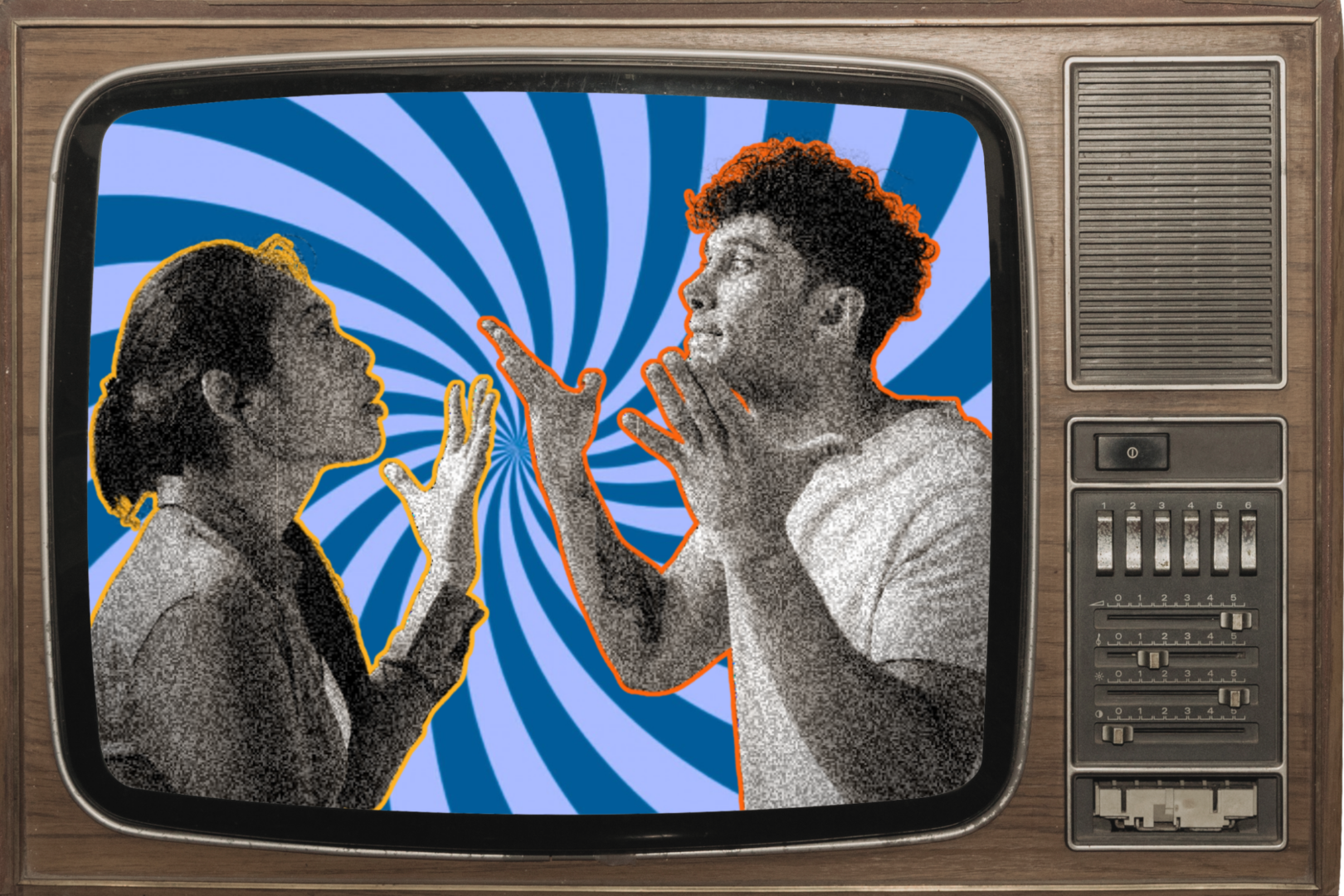
No other kind of television has had a greater impact on Gen Z popular culture than the chaotic and entertaining genre of reality TV. The genre invites viewers to watch manufactured but compelling drama.
Despite its fame, the quality and viewership of reality television have changed significantly due to production shifts and social media.
So, what’s wrong with reality television right now and how did its previous glamour fade into boredom?
When production gets in the way
The production value across platforms is formulaic, a purposeful move to keep viewers immersed in the genre’s “reality” despite manufactured conflicts between cast members.
Creating the visual style of a reality show takes multi-angle camera shots, heavy editing and a documentary-like style.
Producers map out potential conflicts and dramatize them for entertainment. Camera crews follow cast members and confessionals give viewers insight into what cast members are thinking.
The production is intentional, keeping viewers immersed in the drama and convincing us the show is real. However, as cable television declines, shows struggle to compete with streaming services.
As camera quality and audio become more important, production levels increase. Yet, as high-tech as it gets, it can take away the immersion.
The “trashiness” of reality television is part of the appeal because viewers want to be spectators of messy drama, but higher production quality seems designed to show itself off.
Take the Real Housewives franchise and its current production style. Scenes now include producers’ voices during confessionals and visible cameras capturing the cast. Producers may be chasing reflexivity, but breaking the fourth wall only draws attention to the machinery behind the screen.
This is far from what we want. What is supposed to be an escape dies when we are reminded that everything is manufactured.
Social media killed the drama
Another issue with reality television is social media, particularly how cast members and production use it to create drama.
A common trend is cast members exchanging strong words over social media, building excitement. But when they finally meet face-to-face, their insults turn soft.
For example, Angelina’s feud with JWoww and Snooki on Jersey Shore, where they nearly came to blows in Season 4 due to Angelina’s gossiping in interviews and social media posts. The backstage drama built enough context to keep viewers hooked when it reached the screen.
In Love Island Season 7, Huda’s claims about Olandria in interviews led Olandria to fire back on social media with multiple posts and unfollowing her castmates. However, when they spoke face to face, their answers were vague and felt regurgitated from their PR teams.
These shows often rely on off-screen social media beefs to set the stage for on-screen conflict.
We miss the mess
Reality television is and always will be the media’s guilty pleasure.
Whether it’s from MTV or Bravo, this genre has cemented itself in history as some of the messiest and most entertaining TV. Reality television drama is about verbiage, arguments and iconic one-liners; it keeps us coming back every week.
Despite its production issues and social media infiltration, hopefully reality TV will return to its former greatness because, in the end, we don’t watch reality TV for perfection; we watch it for the mess.
opinion@thedailycougar.com