Lily Huynh/The Cougar
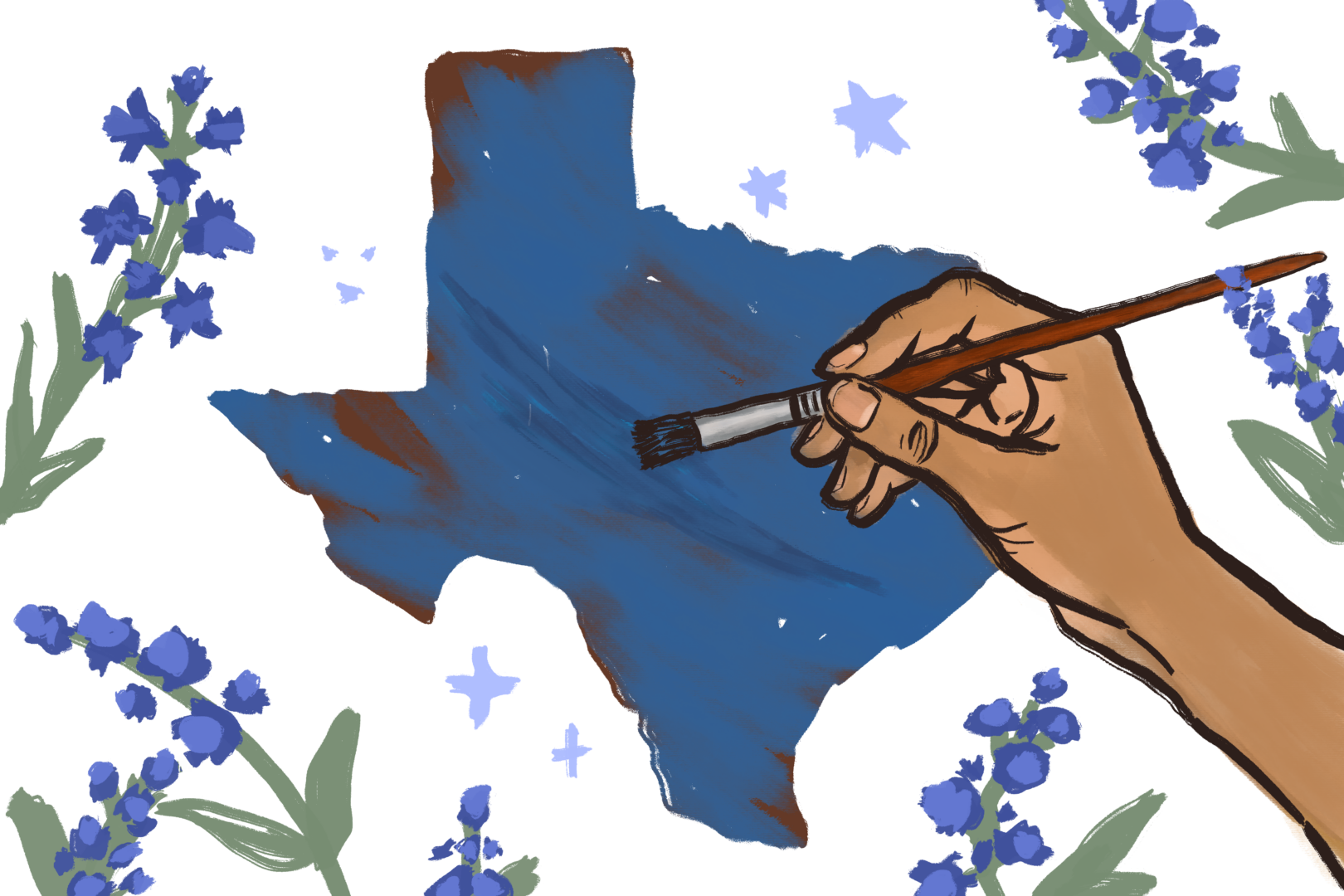
For decades, Texas has been known as a Republican stronghold. But after the 2026 midterm elections, the state’s political landscape looks very different.
With Gina Hinojosa elected governor and James Talarico headed to the U.S. Senate, Democrats have broken a decades-long pattern of Republican victories in major statewide races. Other statewide offices also shifted toward Democrats, raising questions about what this election means for Texas’ political future.
Winning an election, however, is only the beginning. Democrats now face the challenge of turning campaign promises into meaningful changes for Texans.
Texas has changed its colors, but can it change its politics?
Let’s talk politics
Voters have spoken and rejected the state’s political leadership, but they still haven’t agreed on a shared ideological vision. A voter concerned about the cost of living and immigration, another concerned with reproductive rights and another frustrated with public education may all end up at the same ballot box for different reasons.
In Charles Osgood’s The Responsibility Poem, the irony is that voters have assigned responsibility to newly elected officials who cannot fully determine whether political change will last. Legislators, courts and local governments all play a role in sustaining change in governance systems.
Voting against an administration differs from voting for a particular vision of its replacement. The former can unite an electorate temporarily, while the latter requires a more deliberate political consensus.
Even with Democrats winning major statewide offices, political change won’t come easily. Republicans still control the Texas Senate, meaning the incoming administration will need support beyond its own party to pass legislation. Winning over voters was one challenge. Turning those victories into policy will be another.
James Talarico and Gina Hinojosa, alongside the other newly elected Democrats, now have the opportunity to make their governance reflect the promises that brought them into office. With the 2028 election approaching, the administration has a limited window to show that its campaign commitments can translate into tangible improvements in Texans’ lives.
The ballot box reflected not necessarily a unified vision of what Texas should become, but a collective expression of what many voters no longer wanted it to be.
Optimism or skepticism?
Can Democrats give voters a reason to keep the state blue? What precisely are they offering in return? According to Texas Public Radio, “More money for public schools. Changes to Texas’ school voucher program. Expanded healthcare coverage and lower property taxes for homeowners.”
Danielle Casarez Lemi, a fellow at Southern Methodist University’s Tower Center, argues that Democrats must connect their proposals to voters’ financial realities and show how expanded healthcare coverage and higher wages could make everyday life more affordable.
UH political communication professor Nancy Sims offers a more measured interpretation, arguing that voters did not necessarily endorse a liberal agenda but instead supported a broad coalition of candidates for different reasons.
Both commentaries highlight the difficult balance Democrats will face when lawmakers return to Austin in January. They must advance the promises that brought them into office while negotiating the compromises needed to turn those promises into legislation.
Still, Texas turning blue represents an opportunity worth taking seriously, even if it’s too early to call an overall political realignment. This election’s significance will depend not only on who won office, but on what those elected choose to do with the responsibility entrusted to them.
Perhaps the most reasonable response to this election is neither unqualified optimism nor outright skepticism, but an expectation that those elected will give Texans a reason to believe their votes mattered.
opinion@thedailycougar.com