Eddie Ducote/The Cougar
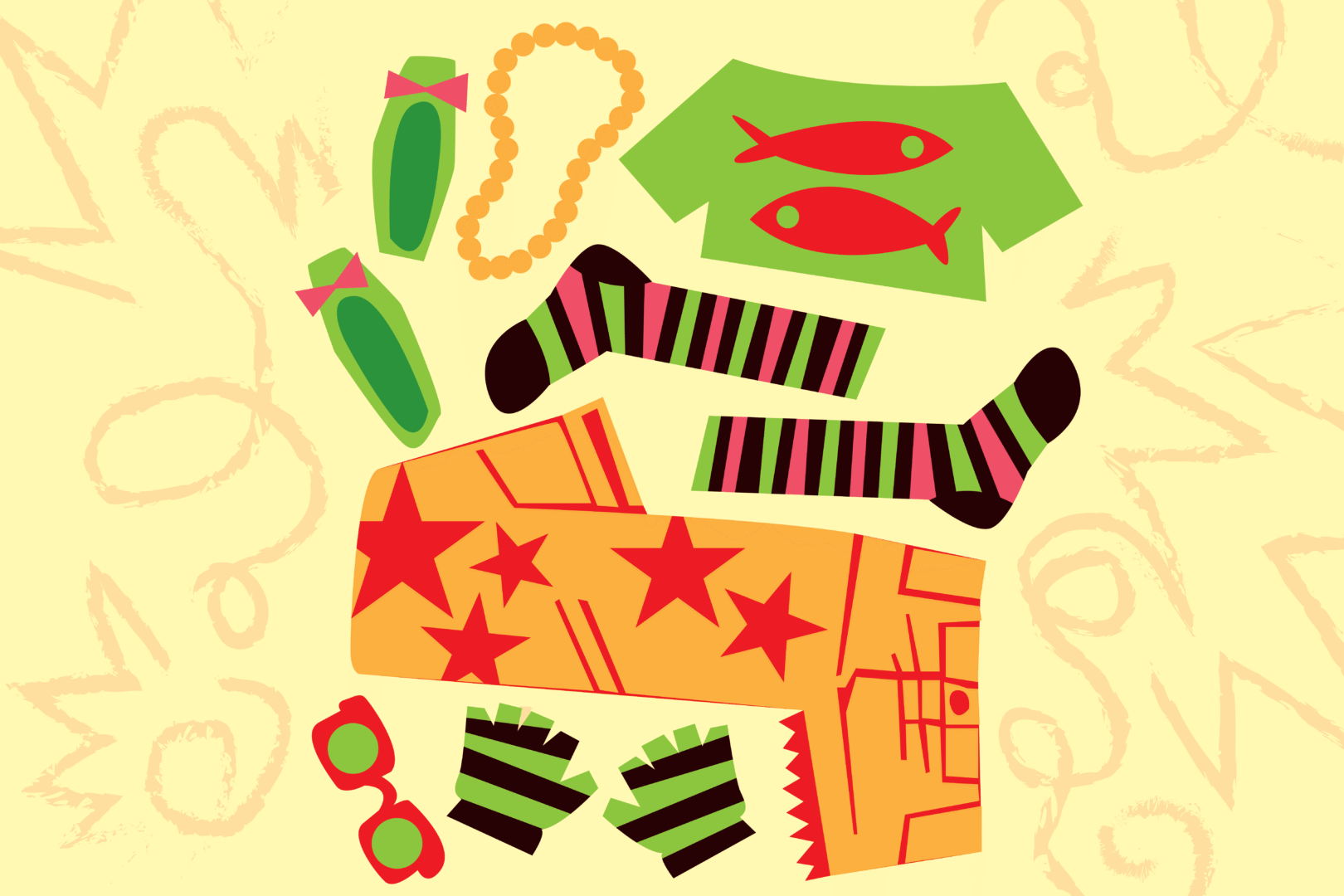
For years, fashion trends have demanded subtlety. Minimalism dominated closets with neutrals, clean silhouettes and “effortless” outfits designed to blend in. But Gen Z isn’t blending in. This generation is turning up the volume by embracing bold colors and clashing prints in an effort to communicate individuality.
The pressure to appear polished and understated became the norm, shaping what people wore and how they felt they should present themselves. This idea made its way into social media, which consequently shaped many of the fashion trends that define our era.
Dressing loud isn’t about excess but about intention. Gen Z is currently embracing maximalist fashion, with bold trends now trickling down into the closets of many. This shift feels less like a trend cycle and more like a statement. An unapologetic response to years of minimalist dominance.
Since spring 2025, the runways have grown louder again, and major fashion magazines have proclaimed the return of maximalism after the sudden fall of minimalism. So is maximalism really back?
Maximalism vs. minimalism
The early 2000s were the original era of maximalism. Maximalism, at its core, is about embracing more. More color, more texture and more personality. Maximalist outfits may include patterned skirts or pants, colorful or unique-looking pieces that demand attention. Accessories can be just as expressive: oversized hoops, statement bags or colorful hair clips.
Then came a turning point where quiet luxury became mainstream. Everyone looked the same and Instagram became an endless scroll of cream-colored uniformity, squeezed into a so-called package of individuality.
Today, the pendulum is swinging back. Gen Z is reclaiming maximalism, turning the ongoing battle between aesthetics into a statement of confidence and expression. However, it’s not about buying an aesthetic piece off the rack but rather about curating a look that reflects you.
At UH, this influence is visible as many students mix prints and layer oversized jackets over patterned pants and other statement pieces in intentionally curated ways. From stacked jewelry to colorful sneakers paired with graphic tees, this shift reflects a broader move away from rigid aesthetics and toward personal storytelling through fashion.
Why it matters
More than an aesthetic shift, maximalism reflects this generation’s use of fashion as a form of self-expression, identity and visibility. Gen Z is also rejecting the idea that style needs to be quiet or universally palatable. Loud dressing signifies confidence and a refusal to shrink to outdated norms.
According to Vogue, Gen Z is shifting away from black-and-neutral wardrobes toward brighter, more expressive colors. The 2025 runways have brought the fun back in fashion, and this fashion month has been no exception. Designers like Connor Ives have responded by incorporating bolder palettes and playful elements into recent collections, signaling a broader shift in the fashion industry.
Social media has amplified these choices, encouraging many to step out of their comfort zone and play with color, patterns and textures in ways that feel playful yet deliberate. What might have been dismissed as “too much” is now a powerful statement.
Why now?
This shift feels especially relevant now. After years of curated feeds and pressure to perform perfection online, loud fashion offers a release from the shackles of the “clean girl” aesthetic that circles the internet every day without fail. It’s about being unafraid to take creative risks despite what society might say.
What I love about maximalism is that it makes fashion feel personal and unique again. It shows that fashion doesn’t have to follow rules to be meaningful. Instead, it allows people to dress in ways that reflect how they feel and how they want to be seen. With maximalism, you can express yourself freely, turning your outfits into a statement that showcases you.
Gen Z dressing loudly isn’t careless or excessive. It’s intentional. In a world that asks young people to tone it down, loud fashion feels like a refusal to be overlooked. This generation is visible and expressive. It refuses to fade into the background.
Opinion@thedailycougar.com